

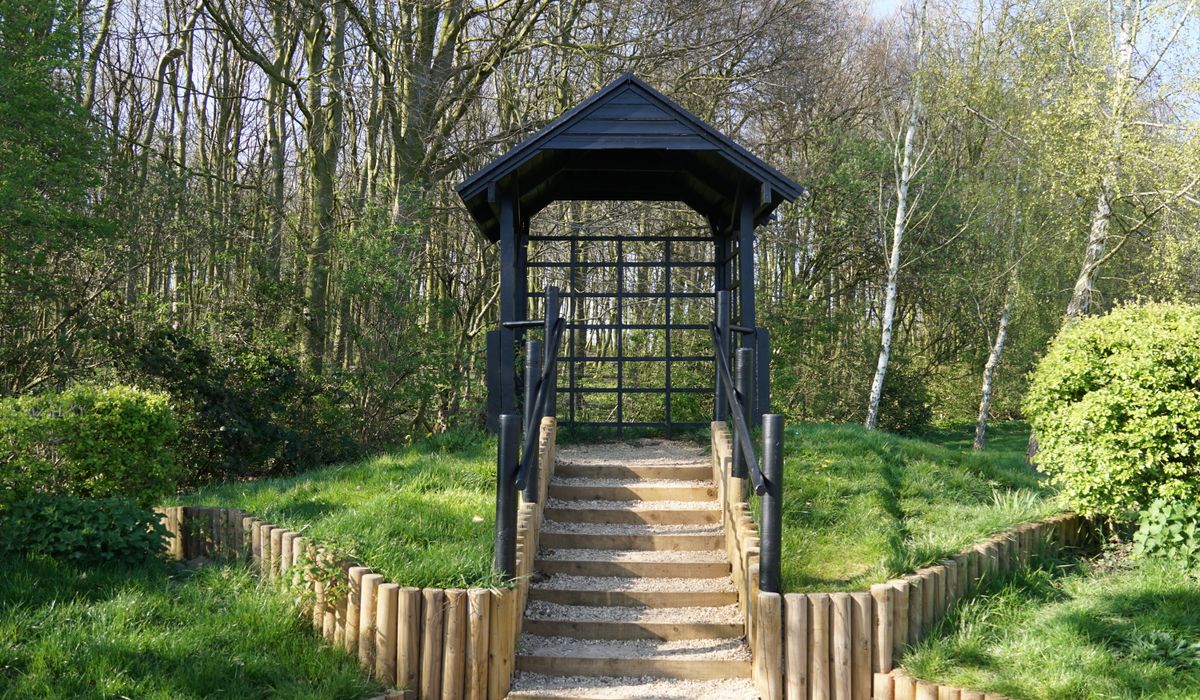
Choosing a gazebo for a sheltered patio area
Your patio can be the most useful room in the house, but only if the British weather lets you use it. A gazebo adds shade, keeps off light rain and makes the space feel intentional. Yet a flimsy gazebo that flaps, leaks or rusts is worse than no gazebo at all. The secret is to match the structure to your site before you spend a penny. Start with a tape measure and a windy afternoon, not a glossy catalogue.
Measure your patio before you fall for a design
Gazebos look bigger in a showroom than they do on a patio. Measure the length and width of your usable space in metres, then subtract at least 60 centimetres on every side for walkways and furniture. If your patio is 3 metres by 4 metres, a 3 by 3 metre gazebo will feel cramped once you add chairs and a table.
Check the height too. Most gazebos have legs around 2 metres tall, with a peak between 2.5 and 2.8 metres. That is fine for a bungalow, but a low eaves line or a first-floor window can make a tall canopy look bulky. Also note what you can fix into: paving slabs, decking boards, grass or a wall. A lean-to gazebo against a house wall can be very stable, but only if the wall is sound and you use the right fixings.
- Measure the widest and narrowest points of the patio, not just the middle.
- Allow 60–90 cm of clear space around the gazebo for chairs to pull out.
- Check doorways, drainpipes and outside taps – they limit where legs can go.
- Decide whether you want a permanent structure or one you take down each autumn.
Write those numbers down and take them shopping. If a gazebo does not fit your measurements, no amount of clever styling will save it.
Read the wind before you buy
Wind is the number one killer of garden gazebos. A patio that feels sheltered on a still day can funnel gusts through a gap between house and fence. Watch your patio on a breezy day. Note the prevailing wind direction and where it accelerates. If your site is exposed, choose a heavier frame, a lower profile and proper anchoring.
- Never rely on pegs alone in soft ground or on decking.
- Use leg weights, ground stakes or bolt-down base plates where possible.
- Choose a gazebo with a vented roof or wind panels to let air through.
- If gusts are strong, take the canopy down or choose a retractable design.
A gazebo that is too light for its site will lift, twist and eventually break. It is better to buy a smaller, sturdier model than a large, flimsy one.
Choose a frame that will not buckle
Frames come in steel, aluminium and wood. Powder-coated steel is strong and affordable, but chips can rust if you do not touch them up. Aluminium is lighter and rust-free, though thin tubes can bend in a storm. Wood looks lovely and blends with a period property, but it needs regular treatment and is heavy to move.
- Look for thick legs – 25 mm or more – and cross-bracing on the roof.
- Check the joints: welded is stronger than pop-riveted for permanent use.
- Read the weight of the gazebo. Heavier is generally more stable.
- Avoid very cheap pop-up frames for a patio that stays up all summer.
Pay attention to the feet. Flat feet with pre-drilled holes are easier to anchor than thin wire pegs. If you plan to leave the gazebo up year-round, a galvanised or powder-coated steel frame is usually the best balance of price and durability.
Get the fabric right for British weather
Canopy fabric matters as much as the frame. Look for UV-resistant, water-repellent polyester with a polyurethane coating. A denier rating of 420D or 600D is a good sign; it means the yarn is thicker and less likely to tear. PVC canopies are very waterproof but heavy and prone to condensation. Taped seams stop drips at the stitching.
- Choose a colour that reflects heat – light grey, cream or sage – if you want shade.
- Check that the canopy is removable and machine washable, or at least wipeable.
- Look for a vented roof to reduce wind lift and let hot air escape.
- Confirm the fabric is UV-stable; cheap covers fade and crack within a season.
If you want to use the gazebo in light rain, a fully waterproof canopy with sealed seams is essential. For shade only, a breathable fabric is more comfortable.
Assembly, storage and everyday practicalities
Easy assembly is a relative term. A two-person pop-up can go up in minutes, but a permanent gazebo with bolted joints may take half a day. Check the instructions before you buy. Look for numbered parts, clear diagrams and a decent warranty. You will need a step ladder, a spanner and possibly a mallet.
- Store fabric canopies indoors over winter to prevent mould and fading.
- Clean and dry the canopy fully before folding it away.
- Re-tighten bolts and check anchors at the start of each season.
- Add side panels or weighted curtains for extra shelter without blocking light.
Finally, think about how you will use the space. A gazebo with hooks for lights, a sturdy frame for hanging baskets or a rail for side panels becomes a true outdoor room. With the right measurements, wind awareness and materials, your sheltered patio will earn its keep from spring to autumn – and maybe beyond.


Garden Sheds
-
Weight bags, pegs and guy ropes stop a gazebo lifting in gusts. Anchor each leg and avoid leaving it up overnight.


Gazebos



-

Long established fact that a reader will be distracted
-

Long established fact that a reader will be distracted
-

Long established fact that a reader will be distracted


Summerhouses
Karla Gleichauf
12 May 2017 at 05:28 pm
On the other hand, we denounce with righteous indignation and dislike men who are so beguiled and demoralized by the charms of pleasure of the moment
M Shyamalan
12 May 2017 at 05:28 pm
On the other hand, we denounce with righteous indignation and dislike men who are so beguiled and demoralized by the charms of pleasure of the moment
Liz Montano
12 May 2017 at 05:28 pm
On the other hand, we denounce with righteous indignation and dislike men who are so beguiled and demoralized by the charms of pleasure of the moment